When organizations think about crisis response, they often picture the dramatic parts: frantic activity, news headlines, urgent calls, and the pressure to make the right decision. But in my experience, the real turning point happens much earlier than that.
This is when confusion, fear and incomplete information collide. It is in these early hours that decisions, or the lack of them, quietly set the direction of everything that follows. I was reminded of this during one of the most intense evacuations Unity Advisory Group managed during the conflict in Israel.
Even though this case involved a family, the behavior I saw mirrors what happens inside organizations when a crisis lands. Uncertainty spreads fast. Assumptions harden. Decision-making slows. People gravitate to whatever sounds safe, even when it’s not.
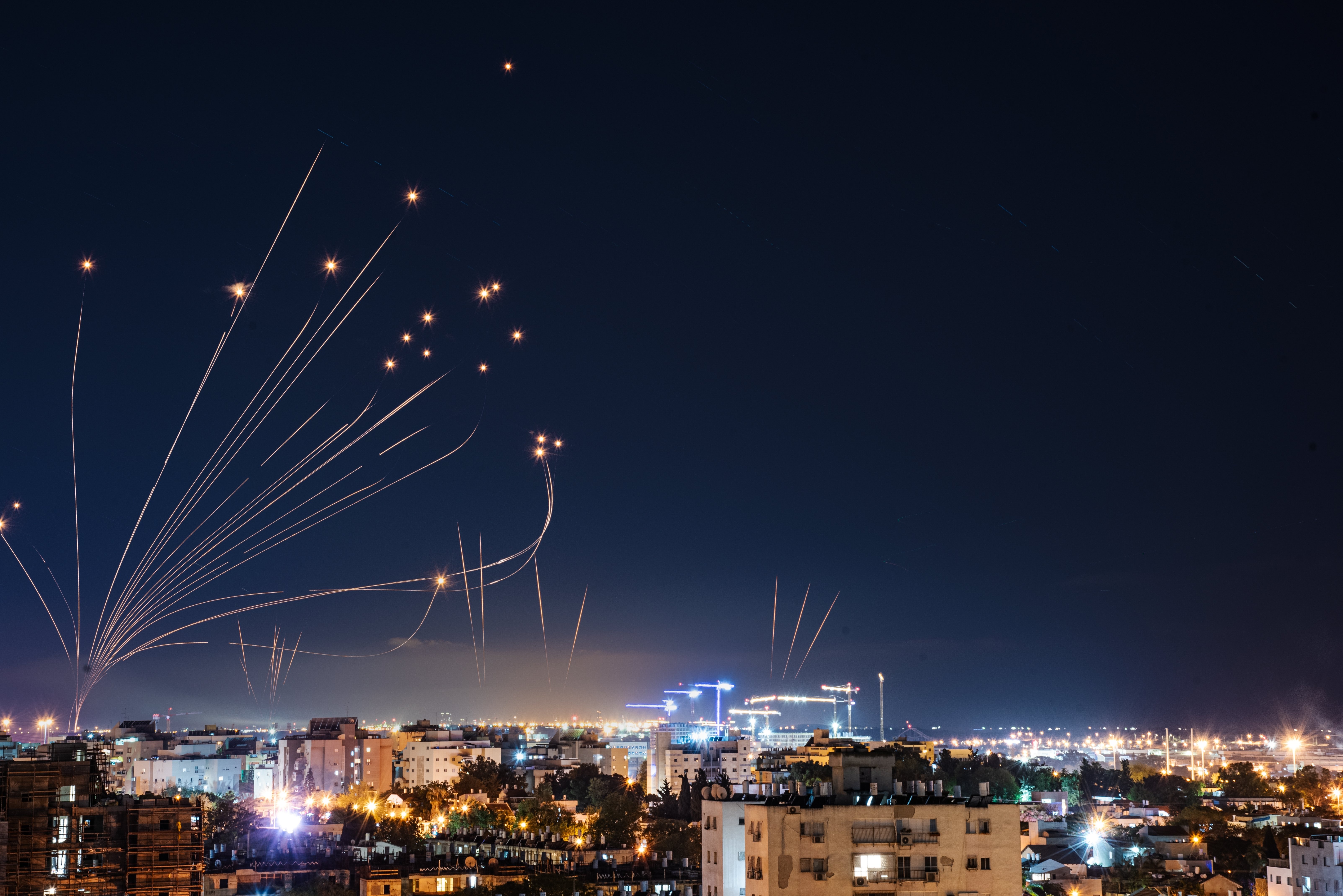
It was a normal evening at home. Kids arguing over cutlery. The news on in the background.Routine, familiar, unremarkable. Then my phone lit up. Missile launches overIsrael, defense systems activating, airports closing, travelers panicking.
One call stood out. A parent whose daughter was stranded in Tel Aviv. Online chatter was exploding. Claims of closed borders, conflicting shelter in place orders, exaggerated rumors, and a wave of false information. She did not know who to trust, what to do.
Organizational leaders know this feeling better than they often admit. When bureaucracy slows action, local sources provide different accounts, and unverified updates pour in. Leaders are not just trying to understand what is happening, they are trying to stop the crisis from seizing control of the narrative.
In those early hours my job was not to solve everything. It was to slow the situation down. To create structure. To offer something calm and solid. Early conversations in any crisis, whether with a parent or a leadership team, are about stabilizing the emotional temperature before anything else.
What many organizations do not realize is how much these initial hours influence everything that follows. If uncertainty fills the space, people begin to make fearful choices. They cling to the first available plan, even when the risks are not obvious.
In this case, the group on the ground had been told to stay together and wait for a sea evacuation. On the surface that sounded logical. In reality it was dangerous. Large groups attract attention. Timelines were unreliable. Sea routes are difficult to secure during active conflict.
This mirrors organizational behavior perfectly. Crisis teams often choose the familiar answer, even when it is outdated or untested, because familiar feels safe. But safety comes from accuracy, not familiarity.
Our verified intelligence showed that an overland route south was still open and safe. It did not feel comfortable to the parent at first, which is entirely understandable. But because trust had been established early, she stayed with the plan.
That early decision shaped everything that came next.
When I deployed, everything had to move with purpose. I traveled into Egypt and crossed into Israel. Roads were quiet. Checkpoints tense. Missile alerts forced pauses along the way. By the time I reached her daughter, she was exhausted and shaken.
At sunrise we moved south, crossed into Egypt, and continued to Sharm el Sheikh where she boarded an international flight home. Safe, calm, and supported with the region still on edge and changing by the hour.
Six days later the rest of her group finally left by sea. By then she had been home for almost a week.
That difference was not luck. It was not guesswork. It came from clarity and structure established in the early hours. This is the same clarity organizations need to build when a crisis hits them.
Crises move fast. They do not wait for scheduled meetings or carefully crafted updates. In those early hours, the real test is simple: do your people take action, or does the crisis start making choices for them?
And this is where the biggest issue appears. Whether you are responsible for a single traveler or an entire workforce, the same pattern shows up. People hesitate. They wait for more detail. They look for certainty that does not exist. Most of the time, it is not fear that slows them down, it is bureaucracy. Layers of approvals. Conflicting inputs. Decision making paralysis sets in, and while the team hesitates, resources shrink, security conditions shift, and movement options close. The variables keep evolving, not waiting for decisions to catchup.
The organizations that navigate these moments well are the ones that cut through that paralysis early, strip away unnecessary bureaucracy, and create clarity for the people around them. The initial hours are where that leadership matters most.
This is why Unity Advisory exists. We help organizations prepare for, respond to, and recover from crises with confidence, whether that is evacuation support, crisis planning, resilience training, or full incident management.
If you want your people, your travelers, or your clients to have the right support when they need it most, visit our Products and Services page and see how Unity can strengthen your crisis readiness.