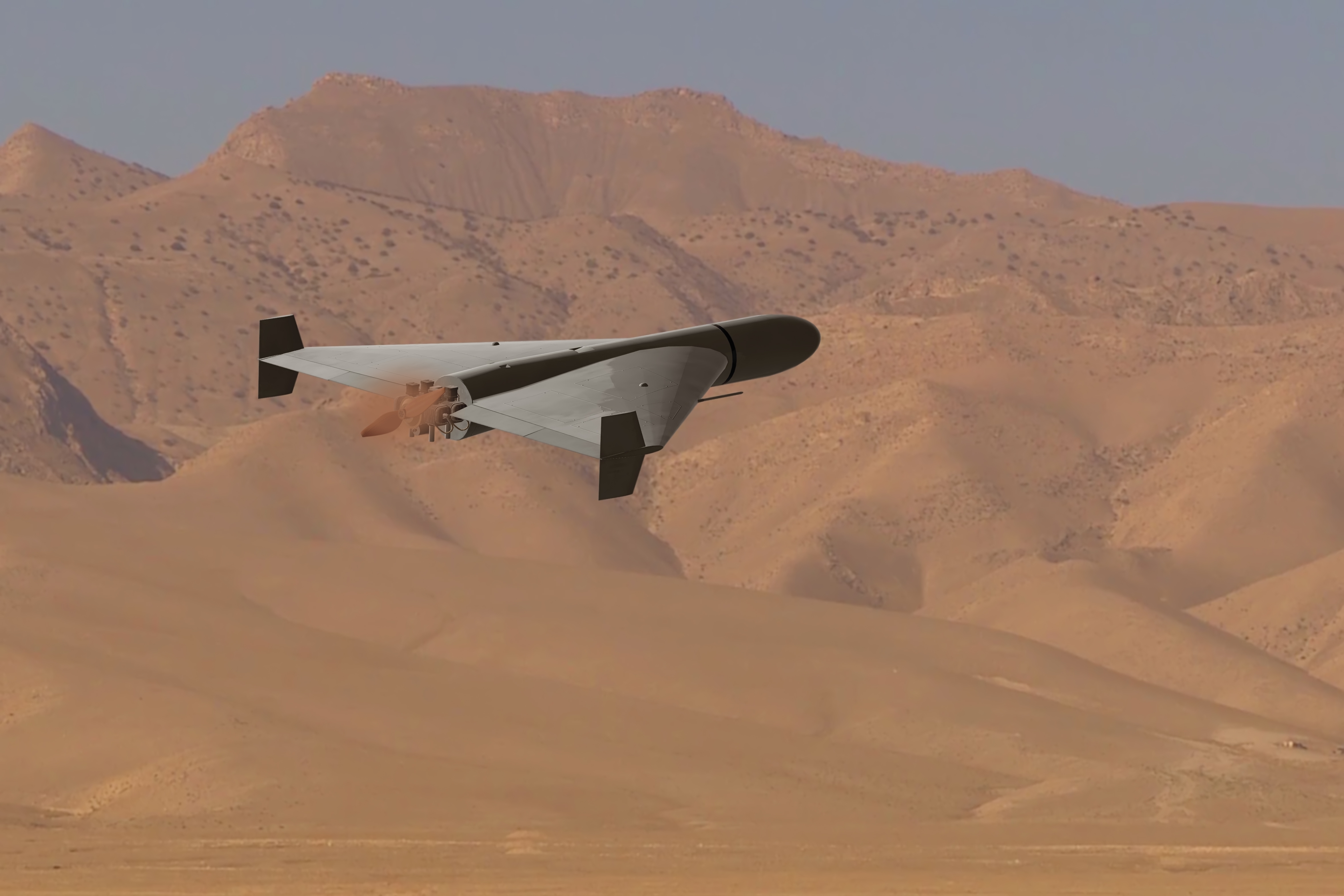
The operating environment across the Gulf and wider Middle East has shifted materially over the past two weeks. What began as rising tension between the United States, Israel and Iran has now settled into a sustained conflict pattern marked by daily missile and drone exchanges, ongoing strike campaigns inside Iran and increasing pressure on maritime routes through the Strait of Hormuz.
The key point for organizations is this: the situation has stabilized operationally, but at a degraded level.
Cities such as Dubai, Abu Dhabi and Doha are no longer reacting to isolated incidents. They are operating inside a sustained disruption cycle. Air-defense activity, debris risk, airspace management and short-notice operational changes have become embedded features of the environment rather than exceptions.
This creates a more complex risk profile. The primary systems are still functioning, but they are doing so under continuous strain. Aviation is not closed, but it is being repeatedly adjusted. Urban movement remains largely normal, but timing risk has increased significantly due to the unpredictability of missile and drone activity.
The result is not immediate crisis. It is gradual loss of reliability.
That distinction matters. Most evacuation plans are built around binary assumptions: open or closed, safe or unsafe, go or stay. The current environment sits in between those states, where systems continue to function but cannot be relied upon in the way they could even two weeks ago.
Evacuation planning therefore needs to shift from trigger-based decision-making to degradation-based decision-making.
First, redefine what "normal operations” means. In several Gulf cities, repeated airspace adjustments, intermittent airport disruption and persistent security alerts are now part of the baseline. Planning assumptions should be reset accordingly. The question is no longer whether disruption will occur, but how much additional disruption can be absorbed before movement becomes impractical.
Second, focus on timing risk rather than access constraints. Airports remain open and urban mobility is largely intact, but the unpredictability of missile and drone activity introduces short-notice disruption. Flights can be delayed, rerouted or temporarily suspended with little warning. Evacuation planning should account for movement windows that can narrow or shift rapidly rather than assuming stable departure timelines.
Third, plan for compression of decision windows. The environment is producing short-lived opportunities to move safely rather than sustained periods of access. That requires organizations to be ready to act quickly when conditions temporarily stabilize, rather than waiting for a clear and durable window that may not emerge.
Fourth, account for cumulative fatigue in both systems and people. Air-defense capacity, aviation operations and response mechanisms are being exercised repeatedly. At the same time, staff are operating under prolonged stress. Decision-making quality, response times and risk tolerance can all degrade under these conditions, increasing exposure over time.
Fifth, reassess the viability of continued presence. The question is shifting from “can we operate today” to “can we sustain operations at this level of disruption for another two weeks.” That is a different calculation, particularly for organizations with limited redundancy or high reliance on predictable mobility.
Finally, align evacuation posture with strategic signals, not just local conditions. The push by the United States for allied naval involvement, combined with hesitation from key partners, and the expansion of strike activity against senior Iranian targets all point toward a conflict that is deepening rather than stabilizing. That should inform forward planning, even if current local conditions remain manageable.
The current phase of the conflict is not defined by collapse. It is defined by sustained degradation.
Organizations that recognize that shift will adjust their thresholds and timelines accordingly. Those that continue to wait for a clear break in conditions may find that the operating environment has become too constrained to support a controlled exit.
Now is the point where evacuation planning needs to reflect not just what is happening, but how the environment is evolving.
Unity Advisory Group supports leadership teams with real-time geopolitical risk assessment, evacuation readiness reviews and crisis decision support tailored to live operating environments. We work with organizations to recalibrate thresholds, validate movement options and ensure plans remain executable under degraded conditions.
If your organization has personnel, assets or supply chain exposure in the Gulf or wider Middle East, this is the moment to reassess assumptions and stress-test your evacuation posture. Contact Unity Advisory Group to arrange a confidential briefing or rapid readiness review.