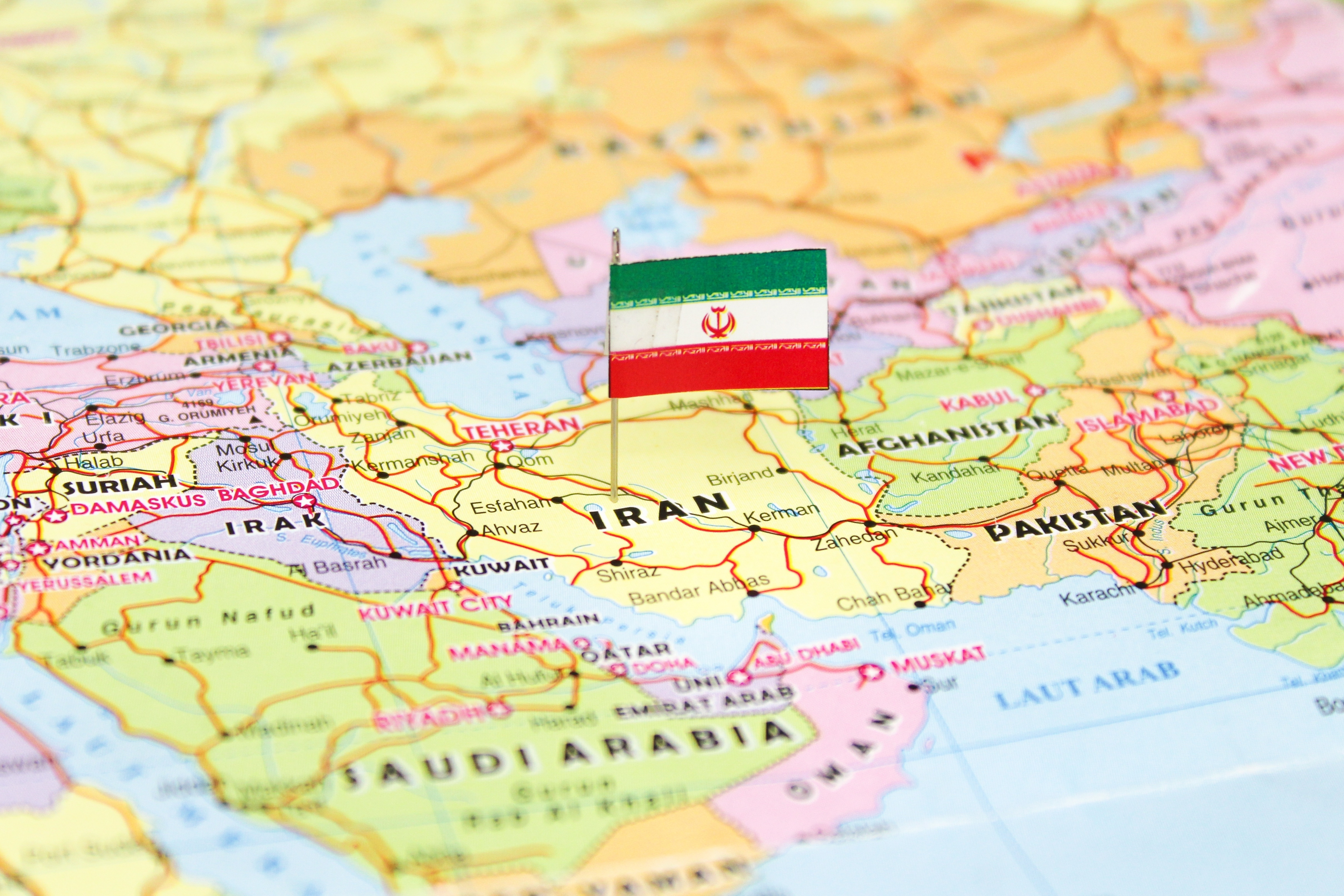
Tensions between the United States and Iran have risen sharply over the past week. A second round of indirect nuclear talks in Geneva has taken place, mediated by Oman, and both sides are signaling that discussions continue. At the same time, Washington is reinforcing its military presence in the region, and Iran is demonstrating that it retains options of its own. Diplomacy and deterrence are running in parallel, which is always an uncomfortable mix.
Public messaging from Washington has been firm. Iran has been told it would be wise to accept a deal. Yet the gaps remain substantial. The United States is pressing for an end to domestic enrichment and seeking broader discussions that touch on missiles and regional networks. Tehran maintains that enrichment is a sovereign right and continues to resist expanding the scope beyond the nuclear file. That position is tied not only to strategy but to internal politics. After previous strikes on nuclear facilities and under sustained economic pressure, Iranian leaders will be wary of appearing to concede under threat.
The military picture adds to the strain. Additional US naval assets are moving into the region, providing flexibility should the White House decide to escalate. Reporting in American and British media suggests strike planning has been reviewed, even if no final decision has been made. Iran’s response has been measured but deliberate: naval drills near the Strait of Hormuz, joint exercises with Russia, and messaging that it can impose costs if pushed. None of this means conflict is inevitable. It does mean the margin for error is narrowing.
The most immediate risk is miscalculation. As more assets arrive, each side may feel compelled to demonstrate resolve. Political timelines matter. Leaders do not want to look weak, particularly when negotiations are slow and domestic audiences are watching closely. Israel’s preference for a harder line on missiles further complicates Washington’s room for maneuver.
In the near term, three paths stand out.
One possibility is a limited diplomatic bridge. This could take the form of a temporary enrichment pause or capped activity in exchange for narrowly defined sanctions relief. It would not solve the underlying dispute, but it could buy time and reduce immediate pressure.
A second scenario is a contained maritime incident. Harassment of commercial vessels, drone activity, or a temporary disruption in Gulf shipping would allow Tehran to signal strength without crossing into open conflict. Even a short-lived disruption in the Strait of Hormuz would have rapid consequences for energy markets and insurance costs. A full closure remains unlikely given the economic damage it would inflict on Iran itself, but disruption short of closure is plausible.
The third scenario is limited military action. That might involve targeted strikes against specific facilities, framed as preventative or defensive. Iran would almost certainly respond asymmetrically, whether through regional partners, cyber operations or maritime pressure. Even if both sides intended to keep the exchange contained, escalation dynamics can take on a life of their own.
For companies operating in the Gulf, Iraq or the wider Middle East, this is not just geopolitics. It is operational risk. Senior leadership teams should revisit plans now rather than waiting fora trigger event.
Clarify authority and thresholds
Be explicit about who can authorize hibernation, relocation or evacuation, including outside normal business hours. Define practical triggers tied to real indicators such as airspace restrictions, maritime advisories, strikes on infrastructure, telecom outages or sanctions changes.
Test mobility assumptions
An airport can be technically open yet functionally inaccessible. Roadblocks, fuel shortages, civil unrest or curfews can prevent staff from reaching departure points. Model those scenarios and identify alternatives in advance.
Adopt layered extraction options
Prioritize flexible commercial air routes. Establish clear decision points for charter use. Map viable ground routes to alternative hubs where lawful and safe. At the same time, ensure that sites can sustain personnel safely for several days if moving them increases risk.
Strengthen communications resilience
Redundancy is critical. Confirm multiple communication channels and ensure accurate, up-to-date personnel tracking for staff, contractors and dependents.
Prepare for indirect effects
Cyber activity often accompanies periods of geopolitical tension. Review network resilience and third-party exposure. Reassess physical security posture, medical response capability and liaison arrangements with embassies.
Finally, align business continuity with strategic reality. Define the minimum level of activity required to protect long term interests, then identify the point at which pausing operations becomes the prudent course.
Periods like this demand more than passive monitoring. They require structured decision-making, tested evacuation pathways and clear executive thresholds.
Unity Advisory Group supports boards and leadership teams with rapid geopolitical risk assessments, crisis simulations, evacuation readiness reviews and business continuity stress testing tailored to your regional footprint. We help you move from awareness to action, ensuring plans are realistic, authorised and operationally viable.
If your organization has personnel, assets or supply chain exposure in the Gulf or wider Middle East, now is the moment to review assumptions and rehearse decisions.
Contact Unity Advisory Group to arrange a confidential readiness review or executive briefing.